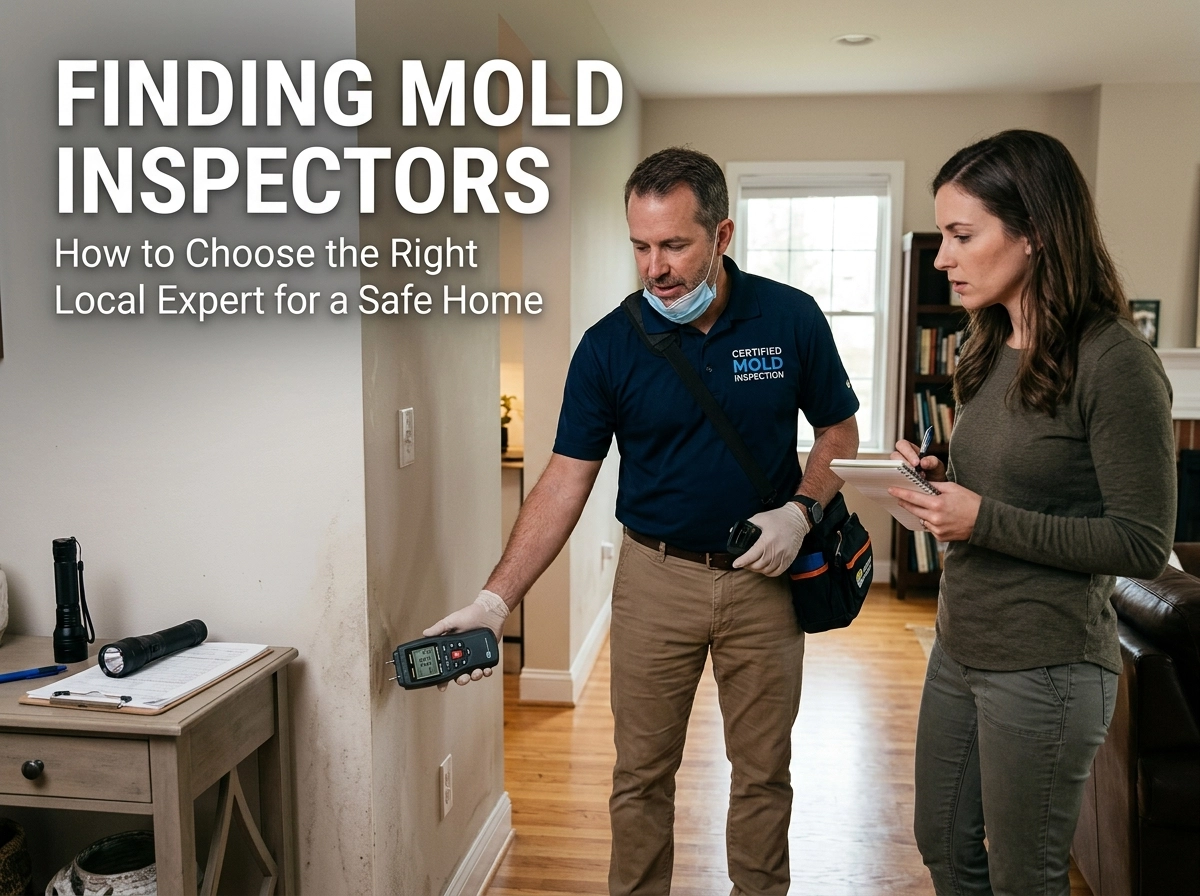
When it comes to ensuring a safe and healthy home, few issues are as concerning as mold. Not only can it compromise your property, but it can also impact your family’s well-being. Finding the best mold inspectors near you is crucial for confident remediation and prevention. But with so many options available, how do you sift through the noise to choose the right professional?
That’s where the city experience by localeadr comes in. As a trusted local services directory, we make it easy to find verified, top-rated mold inspection professionals near you. Whether you live in Lagos, Abuja, Enugu, or any of our covered cities, you can browse certified inspectors, read reviews from real clients, and compare pricing before booking.
This complete guide will walk you through essential steps to identify qualified mold inspectors in your area, ensuring they meet your needs with expertise and reliability. From understanding what to expect during a mold inspection to evaluating qualifications and customer reviews, you’ll be equipped to make informed decisions.
Understanding the Importance of Mold Inspection
Mold inspection serves as your first line of defense against potential health hazards and property damage. Professional mold assessments go beyond what the naked eye can detect, identifying hidden moisture problems and mold growth that could be lurking behind walls, under flooring, or in HVAC systems.
Regular inspections are particularly important in humid climates, older homes, or properties that have experienced water damage. On Localeadr, you can quickly identify local experts familiar with these challenges.
Qualified inspectors not only detect mold—they also help identify the root causes of moisture problems. This can prevent future growth and save you thousands in potential remediation costs. Many professionals listed on Localeadr also provide inspection documentation for insurance claims or real estate transactions, offering a valuable homeowners' guide to flood claims and other property-related issues.
Common Signs of Mold in Your Home
-
Recognizing the key signs you need a mold inspection can help you determine when it's time to call in a professional inspector. Visible mold growth is the most obvious indicator, appearing as black, green, white, or brown patches on walls, ceilings, or other surfaces. However, mold often grows in hidden areas where visual detection isn't possible.
-
Musty odors represent another telltale sign of mold presence. This distinctive smell often intensifies in enclosed spaces like basements, attics, or closets. Pay attention to persistent respiratory symptoms among family members, including coughing, sneezing, or throat irritation that seems to worsen when spending time indoors.
-
Water damage history should also trigger concern. If your home has experienced flooding, plumbing leaks, or roof damage, mold growth becomes significantly more likely. Even minor water intrusions that weren't properly dried within 24-48 hours can create ideal conditions for mold development.
Browse Localeadr’s top-rated mold inspectors near you to find someone who can assess these warning signs.
How Mold Affects Your Health and Property
The health implications of mold exposure can range from mild irritation to serious respiratory problems. Individuals with allergies, asthma, or compromised immune systems face particularly high risks. Common symptoms include nasal congestion, eye irritation, skin rashes, and persistent coughing. Long-term exposure to certain mold types can lead to more severe health complications, including respiratory infections and chronic fatigue.
From a property perspective, mold can cause extensive structural damage if left unchecked. It feeds on organic materials like wood, drywall, and insulation, gradually weakening these components and compromising your home's integrity. The longer mold remains untreated, the more expensive remediation becomes, potentially requiring extensive reconstruction of affected areas.
Mold also significantly impacts property values. Homes with known mold problems face challenges in real estate transactions, often requiring professional remediation before sales can proceed. Insurance companies may also deny claims related to mold damage if the problem stems from neglected maintenance or moisture control.
What to Look for in a Mold Inspector
Selecting the right mold inspector requires careful evaluation of their qualifications and experience. Look for inspectors who hold relevant certifications from recognised organisations such as the American Council for Accredited Certification (ACAC), the National Association of Mold Professionals (NAMP), or the Indoor Air Quality Association (IAQA). These certifications demonstrate a commitment to industry standards and ongoing education.
Experience matters significantly in mold inspection. Seek inspectors with several years of field experience and a track record of working with properties similar to yours. Ask about their familiarity with local climate conditions and common mold issues in your area, as regional expertise can provide valuable insights.
Professional mold inspectors should carry appropriate insurance coverage, including general liability and errors and omissions insurance. This protection safeguards both you and the inspector in case of accidents or professional mistakes. Additionally, verify that they maintain current licenses required by your state or local jurisdiction.
Equipment and methodology represent crucial factors in inspector selection. Quality inspectors use advanced tools such as moisture meters, thermal imaging cameras, and air sampling equipment. They should follow established protocols for sampling and testing, ensuring accurate and reliable results.
Questions to Ask Potential Mold Inspectors
Before booking a service, consider these important questions:
-
What certifications do you hold?
-
How many years have you inspected properties in [your city]?
-
What tools and techniques do you use?
-
What does your standard inspection cover?
-
Do you work independently from remediation companies?
Most listings on Localeadr answer these questions upfront. Still unsure? Use our message feature to contact providers directly.
The Mold Inspection Process Explained
Knowing what to expect during a professional mold inspection helps you feel more in control. Most inspections listed on Localeadr follow these steps:
-
Initial consultation: Review of home history, problem areas
-
Visual inspection: Check basements, attics, HVAC, walls
-
Environmental sampling: Optional air/surface testing
-
Moisture detection: Using meters and thermal imaging
-
Report and recommendations: Delivered within 1–3 days
Compare service inclusions by checking each provider’s profile.
Cost Factors for Mold Inspection Services
To gain a comprehensive understanding of mold inspection costs, it's important to note that pricing varies, but here’s what typically affects it:
-
Size of your home
-
Complexity (basic visual vs detailed testing)
-
Number of samples collected
-
Additional services (like lab testing or thermal scans)
-
Location (urban vs rural pricing)
To get accurate quotes, browse mold inspectors near you and use Localeadr’s built-in cost comparison tool.
Reviews and Recommendations: Finding Trusted Inspectors
Localeadr aggregates real user reviews to help you make smarter choices. We verify feedback and encourage transparency, so you’re not guessing who to trust.
In addition to reviews, you’ll find:
-
Provider ratings
-
Client-submitted photos
-
Certifications and specialties
You can also search by location, specialty, and response time to narrow your choices.
DIY Mold Inspection vs. Professional Services
While homeowners can perform basic mold assessments, understanding the limitations of DIY vs. professional mold inspection approaches helps you make informed decisions about when professional services are necessary. DIY inspection might identify obvious mold growth or moisture problems, but it cannot provide the comprehensive assessment that professional equipment and expertise deliver.
Home mold test kits available in retail stores have significant limitations. These kits can detect mold presence but cannot identify specific mold types or determine whether concentrations pose health risks. They also fail to identify the source of mold problems or provide guidance for effective remediation.
Professional inspectors bring specialised training, advanced equipment, and laboratory analysis capabilities that DIY approaches cannot match. They understand building science principles, moisture dynamics, and mold growth patterns that inform comprehensive assessment and prevention strategies.
The complexity of mold investigation often requires professional expertise. Hidden mold growth, HVAC system contamination, and moisture problems within building materials need specialized detection methods and interpretation skills that professionals possess.
Consider DIY assessment as a preliminary step rather than a replacement for professional inspection. If your initial assessment reveals concerns or if you're dealing with health symptoms, water damage history, or real estate transactions, professional inspection becomes essential.
On Localeadr, you’ll find professionals who can perform thorough, safe inspections that guide proper next steps. Some even offer virtual consultations.
Conclusion: Start with a Verified Mold Inspector Near You
Protecting your home and family from mold starts with a proper inspection. Use the city experience by localeadr to find certified, reviewed professionals in your area and schedule a visit confidently.
Search Mold Inspectors Near You Now
Whether you’re responding to a recent leak or preparing for a property purchase, an experienced mold inspector can make all the difference.