





Reach thousands of local businesses.

We help you connect to all businesses in your city in minutes.

Travel and Nature
Restaurants and Food
Beauty and Skincare
Fitness and Gym
Boutique & Retail
India
Nigeria
Portugal
United States of America
About Localeadr
100% Verified
Audited Business Profiles
ABOUT TCE

Connecting You With Trusted Local Businesses

The City Experience by Localeadr is the premier directory platform designed to bridge the gap between customers and verified local service providers. Our mission is to empower local commerce with transparency, authentic customer reviews, and instant direct communication.

1000+

Verified Businesses

98%

Customer Satisfaction

20+

Cities Covered

TOP BUSINESSES

Handpicked For You

Explore top-rated local destinations vetted by real community reviews and performance standards.

Market Square

Market Square Umuahia is best known for providing a... See more...
Shopping Malls and Parks
Umuahia
4.5 (2 Reviews)

ECR Technology Services

ECR Technology Services: Empowering the Digital Fron... See more...
Tech Institutions
Umuahia
4.4 (2 Reviews)

Taxidi

Taxidi: Your Trusted Partner for Reliable Car Hire i... See more...
Car Rentals and Logistics
Umuahia
4.0 (2 Reviews)

Chicken Republic

Chicken Republic (Azikiwe Road): Umuahia’s Favourite... See more...
Resturants
Umuahia
4.0 (2 Reviews)

Realinkr

Realinkr stands as Nigeria's premier PropTech, real... See more...
Tech Institutions
Umuahia
3.3 (1 Reviews)

Walmart House Cleaning Services

Home cleaning services provided by Walmart in Hamilt... See more...
Home Service Contractors
Hamilton
0.0 (0 Reviews)

Looking to grow your business?

Strengthen your reputation with real, trustworthy customer reviews on Localeadr — a platform built to help you earn credibility, attract new customers, and show people why they should choose you.

Inside Updates

Reels Update

Watch direct updates and inside stories shared in full from local business owners.

YouTube Realinkr

Realinkr

Tech Institutions
Umuahia
YouTube Nobik International Event Center

Nobik International Event Center

Hotels and Event Centers
Aba
YouTube ECR Technology Services

ECR Technology Services

Tech Institutions
Umuahia
YouTube Hotel Royal Damgrete

Hotel Royal Damgrete

Hotels and Event Centers
Umuahia
YouTube Shoprite Jabi Lake Abuja

Shoprite Jabi Lake Abuja

Shopping Malls and Parks
Jabi
YouTube Planet Fitness-Cleveland (Uptown)

Planet Fitness-Cleveland (Uptown)

Gyms and Fitness Centers
Cleveland, OH
YouTube Planet Fitness Fairview Park, OH

Planet Fitness Fairview Park, OH

Gyms and Fitness Centers
Fairview Park
YouTube Planet Fitness Lakewood

Planet Fitness Lakewood

Gyms and Fitness Centers
Lakewood, OH
YouTube Localeadr

Localeadr

Tech Institutions
Umuahia
YouTube Josh consult Nig LTD

Josh consult Nig LTD

Real Estate and Construction
Enugu
YouTube Great Lakes Brewing Company

Great Lakes Brewing Company

Resturants
Cleveland, OH
YouTube Blue Sushi Sake Grill

Blue Sushi Sake Grill

Resturants
Cleveland, OH
MARKETPLACE

Explore Products & Services

Browse featured offerings, premium products, and services from our local businesses.

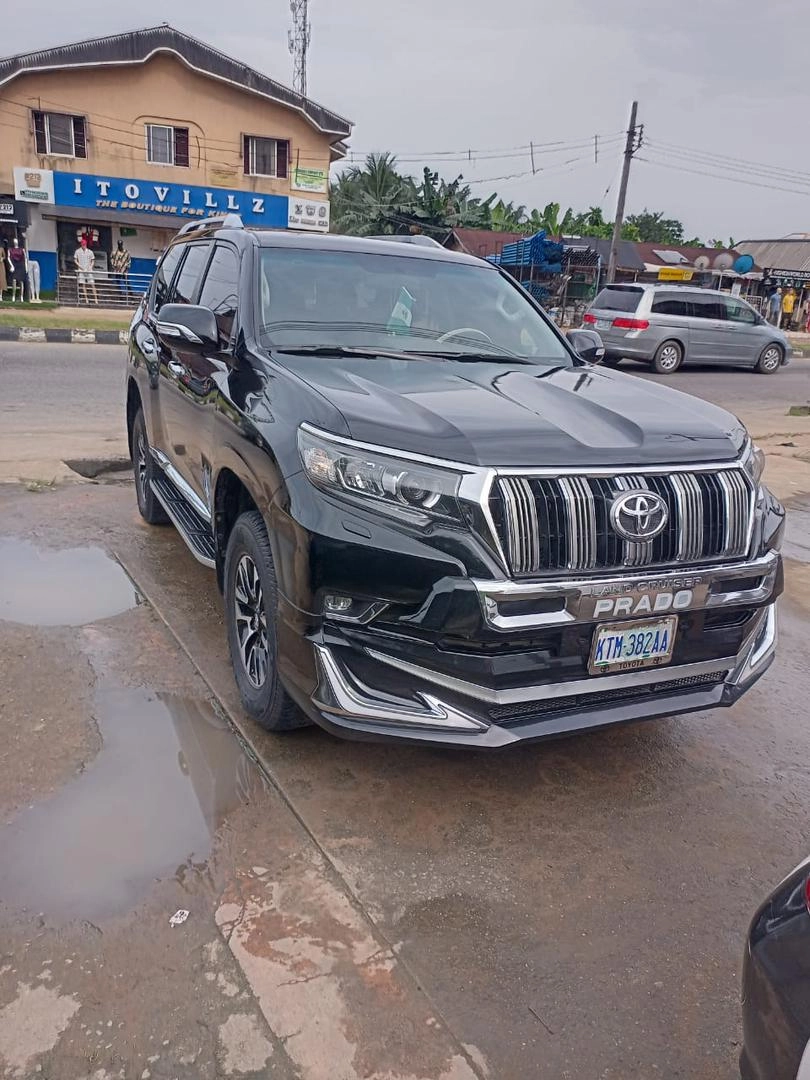
Toyota Highlander Service ₦ 170,000

Toyota Highlander

The ultimate family and business SUV. It offers a sm... See more...
Interstate Travel (Custom Quotes) Service

Interstate Travel (Custom Quotes)

Safe and reliable cross-country travel. Whether you... See more...
Airport Shuttle Service Service ₦ 80,000

Airport Shuttle Service

Stress-free transfers from Umuahia to Akanu Ibiam In... See more...
Citation and Brand Reputation Learning Program ₦ 150,000

Citation and Brand Reputation

We deploy synchronized Name-Address-Phone (NAP) list... See more...
Cooperate Mens Shoe Physical Product ₦ 20,000

Cooperate Mens Shoe

Cooperative men's shoes for your casual and work out... See more...
Mens Sneakers Physical Product ₦ 15,000
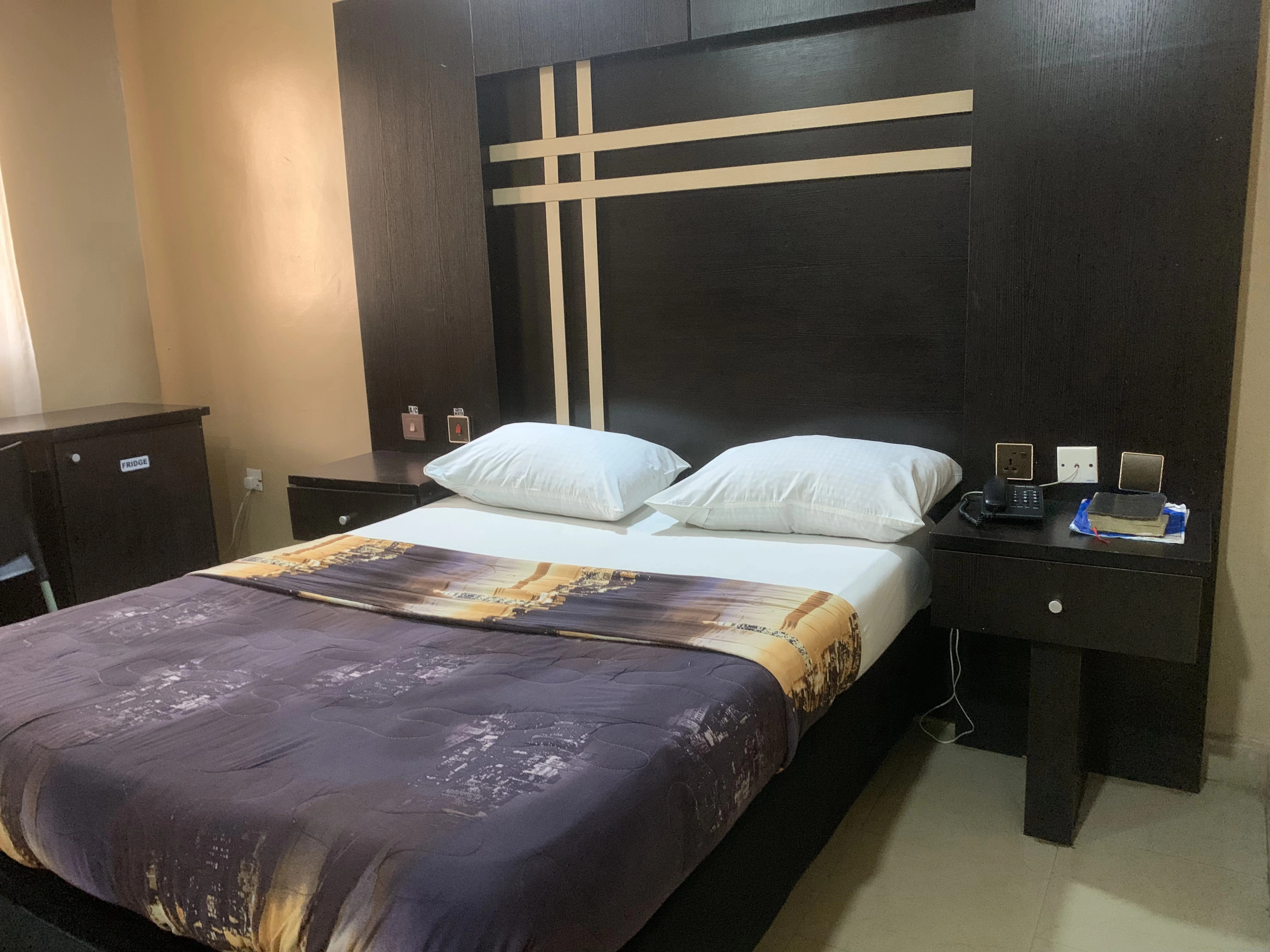
Basic Room Physical Product ₦ 40,000

Basic Room

Our Standard Rooms are fully equipped with all the a... See more...
category

Explore by Industry

Browse curated listings by niche to quickly find the exact space or service you need.

Looking to grow your business?

Strengthen your reputation with real, trustworthy customer reviews on Localeadr — a platform built to help you earn credibility, attract new customers, and show people why they should choose you.

Inside Updates

Reels Update

Watch direct updates and inside stories shared in full from local business owners.

YouTube Realinkr

Realinkr

Tech Institutions
Umuahia
YouTube Nobik International Event Center

Nobik International Event Center

Hotels and Event Centers
Aba
YouTube ECR Technology Services

ECR Technology Services

Tech Institutions
Umuahia
YouTube Hotel Royal Damgrete

Hotel Royal Damgrete

Hotels and Event Centers
Umuahia
YouTube Shoprite Jabi Lake Abuja

Shoprite Jabi Lake Abuja

Shopping Malls and Parks
Jabi
YouTube Planet Fitness-Cleveland (Uptown)

Planet Fitness-Cleveland (Uptown)

Gyms and Fitness Centers
Cleveland, OH
YouTube Planet Fitness Fairview Park, OH

Planet Fitness Fairview Park, OH

Gyms and Fitness Centers
Fairview Park
YouTube Planet Fitness Lakewood

Planet Fitness Lakewood

Gyms and Fitness Centers
Lakewood, OH
YouTube Localeadr

Localeadr

Tech Institutions
Umuahia
YouTube Josh consult Nig LTD

Josh consult Nig LTD

Real Estate and Construction
Enugu
YouTube Great Lakes Brewing Company

Great Lakes Brewing Company

Resturants
Cleveland, OH
YouTube Blue Sushi Sake Grill

Blue Sushi Sake Grill

Resturants
Cleveland, OH
Insights

News and Trends

In-depth articles, regional spotlights, and actionable advice to help you navigate local markets.

Image for How to Add Your Business to Local Guides and Directories Local Business Marketing
Victor Irozuru 25 Aug 2026

How to Add Your Business to Local Guides and Directories

You searched for how to get your business listed in Local Guides, but here is what Google does not make obvious: the Local Guides program is for individual reviewers, not businesses. Your shop cannot join Local Guides. What you can do is get listed on Google Maps so that Local Guides find you, review you, and help your business show up in local searches. This guide walks through adding your business to Google Maps, claiming and verifying your profile, attracting reviews from active Local Guides, and expanding your presence across other directories that matter for local visibility. What Google Local Guides is and who qualifies To get your business listed where Google Local Guides can see, review, and interact with it, you create and verify a Google Business Profile. The Local Guides program itself is for individual people, not businesses. Local Guides discover, add, and review businesses that are already active on Google Maps, so your job is to make sure your business shows up there. Google Local Guides is a community program where individuals earn points for contributing to Google Maps. Members write reviews, upload photos, answer questions about places, and correct outdated business information. Each contribution earns points that unlock levels and occasional perks like extra Google Drive storage. Only personal Google accounts qualify. Business accounts and contributions made from business pages do not count toward Local Guides status. This distinction matters because many business owners search for ways to join Local Guides, expecting a signup page for their shop. That page does not exist. What Local Guides actually contribute: Reviews: Written feedback on places they visit Photos: Images of storefronts, interiors, menus, products Place edits: Correcting business hours, adding missing locations, updating contact details Q&A answers: Responding to questions other users ask about a place Why businesses cannot join Google Local Guides directly Google prohibits business accounts from participating in Local Guides. Contributions made to promote your own business violate program guidelines and can result in removal of those contributions. The rule exists because Local Guides is designed to provide unbiased, user-generated content. If businesses could earn points by reviewing themselves, the entire system would lose credibility. So if you searched this query hoping to find a business signup page, that option simply is not available. How to become a Google Local Guide as a business owner You can still participate in Local Guides using a personal Google account separate from your business profile. Many business owners do this to understand how the system works from the inside. Here is the catch: you cannot review or edit your own business. Google's guidelines explicitly prohibit this. However, contributing reviews and photos for other local places builds familiarity with how customers interact with listings. You will see firsthand what makes a profile stand out and what prompts people to leave reviews. How to add your business to Google Maps so Local Guides can find it Getting listed on Google Maps is how your business becomes visible to Local Guides and customers searching nearby. Once your business appears on the map, anyone can find it, review it, and add photos. The process takes about ten minutes, though verification can take longer. Step 1: Sign in to Google Maps with your owner account Use the Google account you want to manage the business. This can be your personal Gmail or a dedicated business email linked to Google. Whichever account you use will become the owner of the listing, so choose one you will have access to long-term. Step 2: Search for your exact business address Before adding anything, check whether your business already exists on the map. Sometimes customers or Local Guides have already added it. If you find an existing listing, you can claim it rather than creating a duplicate, which would confuse both Google and your customers. Step 3: Tap Add a missing place If your business does not appear, use the "Add a missing place" option in the Google Maps menu. On mobile, tap the menu icon and scroll to find it. On desktop, right-click the map at your location. Either way, you will be prompted to enter your business details. Step 4: Enter accurate business name, category, and hours Use your real business name without keyword stuffing. "Chidi's Barbing Salon" is fine. "Chidi's Best Barbing Salon Haircut Umuahia" is not, and Google may reject it. For those looking to discover new businesses and services in Umuahia, accurate listings are essential. Select the most specific category available, then add your opening hours. Consistency here affects how often your business appears in local searches. Step 5: Submit and track the approval status Google reviews submissions before publishing. Approval can take anywhere from a few days to a couple of weeks depending on your location and how complete your submission is. Check back in Google Maps or your email for updates. How to claim and verify your Google Business Profile Adding a place is different from owning the profile. Claiming gives you control over the listing, including the ability to respond to reviews, post updates, and edit information. Without claiming, anyone can suggest edits to your business details. Step 1: Find your business on Google Search or Maps Search your business name. If a Knowledge Panel or Maps listing appears, look for the "Own this business?" or "Claim this business" link at the bottom. Step 2: Click Claim this business Begin the claim process. You may be asked to sign in or create a Google Business Profile account if you have not already. If someone else has already claimed the listing (perhaps a former employee or a previous owner), you will see an option to request access. Step 3: Choose postcard, phone, email, or video verification Google offers several verification methods depending on your business type and location. Not all methods are available for every business. Verification Method How It Works Typical Wait Time Postcard Code mailed to business address 5–14 days Phone Automated call or SMS to listed number Immediate Email Code sent to business email Immediate Video Live video walkthrough of location 1–5 days for review Postcard verification is the most common for new businesses. Phone and email are faster but Google does not offer them to everyone. Video verification requires you to record a walkthrough showing your signage, equipment, and proof that you operate at the listed address. Step 4: Complete verification and publish your profile Enter the verification code when received. Once verified, your profile is live and you can manage it through the Google Business Profile dashboard. From there, you can add photos, respond to reviews, post updates, and track how many people view your listing. How Local Guide reviews affect your local search ranking Reviews from Local Guides carry the same weight as reviews from other Google users in terms of ranking. However, Local Guides tend to leave more detailed reviews with photos, which adds richer content to your profile and makes it more attractive to potential customers. Google's local ranking factors include relevance, distance, and prominence. Reviews contribute to prominence, and understanding these factors is key to developing effective local SEO strategies. The Local Pack (the three-business map listing that appears at the top of local searches like "plumber near me") favors businesses with more reviews and higher ratings, all else being equal. More reviews also mean more content on your profile. When a Local Guide uploads photos of your menu, your storefront, or your products, future customers get a better sense of what to expect. This user-generated content often converts better than photos you upload yourself because it feels more authentic. How to get more Local Guide reviews for your business You cannot pay for reviews or offer incentives, as both violate Google's policies and can result in review removal or profile penalties. What you can do is make it easy for satisfied customers to share their experience, which is a key strategy to boost reviews and ratings for your business. Ask happy customers to leave a Google review A verbal request at checkout or a follow-up message via WhatsApp works well. The key is timing: ask when the customer is happiest, usually right after a successful transaction or service. Provide a direct link to your Google review page so customers do not have to search for your business. You can generate this link from your Google Business Profile dashboard under "Get more reviews." Post new photos and updates every week Active profiles attract more engagement. Fresh photos of products, staff, or your storefront signal to both Google and customers that your business is alive and well. Google Business Profile also lets you post updates similar to social media posts, which appear in your Knowledge Panel. Reply to every review within forty-eight hours Responses show you are attentive. Both positive and negative reviews deserve acknowledgment. When potential reviewers see that you respond to feedback, they are more likely to leave their own review because they know it will be read. Local business directories to list your business in besides Google Google is the largest platform, but listing in multiple directories improves your overall online visibility. This practice is called building citations. A citation is any online mention of your business name, address, and phone number (NAP). Consistent NAP data across directories strengthens your local SEO because it signals to search engines that your business information is accurate. Bing Places for Business: Microsoft's directory for Bing Maps and Bing Search, free to claim Apple Business Connect: Manages your listing in Apple Maps, important for iPhone users searching via Siri Yelp for Business: Popular in the US with a free profile option Localeadr: A verified local directory focused on Nigerian cities like Umuahia, Aba, Enugu, and Lagos, with claimable profiles and WhatsApp-based customer contact Industry-specific directories also matter. Restaurants benefit from TripAdvisor and Zomato. Hotels appear on Booking.com and Expedia. Home service providers can list on platforms like HomeAdvisor or Thumbtack depending on their market. Tip: Platforms like Localeadr offer citation synchronization services that update your NAP data across 120+ directories at once, saving hours of manual work and reducing the risk of inconsistencies. How to keep your name, address, and phone consistent across directories NAP consistency means your business name, address, and phone number appear exactly the same everywhere online. Mismatches confuse search engines and reduce trust signals. Even small differences matter. "Suite 5" versus "#5" or "Street" versus "St." can create duplicate listings or weaken your local ranking. The problem compounds over time. You list your business on ten directories, then move locations or change phone numbers. Now you have outdated information scattered across the internet, and each incorrect listing chips away at your credibility with search engines. Audit your listings periodically by searching your business name and checking the top results. For more in-depth analysis, consider consulting with a local SEO consultant. Or use a citation management service to automate the process. Localeadr's citation synchronization, for example, pushes updates to all your directory listings from a single dashboard. How to handle negative reviews from Local Guides Negative reviews happen to every business eventually. How you respond matters more than the review itself. Respond professionally and promptly, ideally within 48 hours. Do not argue or get defensive. Acknowledge the concern, offer to resolve it offline if appropriate, and thank the reviewer for the feedback. This proactive approach is crucial for effective online reputation management. Future customers reading the review will see your response and judge your business partly on how you handled the situation. If a review violates Google's policies (spam, fake, off-topic, or contains hate speech), you can flag it for removal through your Google Business Profile dashboard. Click on the review, select "Flag as inappropriate," and Google will review it. Local Guide reviews are not treated differently when it comes to removal policies, so the same rules apply. Grow your local visibility with verified listings on Localeadr Getting listed on Google Maps is the first step. Expanding to verified directories like Localeadr adds another layer of visibility, especially for businesses targeting Nigerian and diaspora customers who want to verify a business before making contact. Localeadr offers claimable profiles, visibility score tracking, and direct customer contact through WhatsApp and chat. The free Starter tier lets you test the platform before committing to paid features. For businesses that want to appear in multiple directories without managing each one separately, Localeadr's citation services handle the distribution and keep your NAP data consistent. Explore verified listings today! Frequently asked questions about Local Guides and business listings Do Local Guides get paid by Google? No. Local Guides earn points and unlock badges, early access to Google features, and occasional perks like extra Google Drive storage. They do not receive monetary payment for their contributions. Can I pay a Local Guide to review my business? No. Google's policies prohibit incentivized reviews. Offering payment, discounts, or gifts in exchange for reviews can result in review removal or profile penalties for your business. How long does it take for a new business to appear on Google Maps? After submitting a new place, Google reviews the information before publishing. This can take anywhere from a few days to a few weeks depending on verification requirements and your location. What is the best app for finding Local Guides? There is no separate app. Local Guides contribute through the Google Maps app itself. You can see contributor badges on reviewers' profiles within Google Maps, indicated by a badge icon next to their name.

Image for 10 Ways to Manage Local Citations and Drive Google Maps Traffic Local Business Marketing
Victor Irozuru 25 Aug 2026

10 Ways to Manage Local Citations and Drive Google Maps Traffic

Your Google Business Profile is verified, your hours are updated, and your photos look great. But if your business name shows up as "Joe's Plumbing" on Google, "Joes Plumbing LLC" on Yelp, and "Joe Plumbing Services" on the local chamber directory, Google sees three different businesses instead of one. Learning how to fix your Google Business Profile is crucial for ensuring consistency across all platforms. Local citations, the mentions of your Name, Address, and Phone number across directories and platforms, determine whether Google trusts your business enough to show it in the Local 3-Pack. This guide covers ten practical ways to audit, fix, and build citations that actually move your Maps ranking. What are local citations and why they drive Google Maps traffic A local citation is any online mention of your business's Name, Address, and Phone number, often called NAP. You'll find citations on directories like Yelp and Apple Maps, on social platforms, review sites, and industry-specific listings. Google uses citation data to verify that your business actually exists at the location you claim, and consistent NAP information across authoritative directories builds the trust signals that push you higher in local search results, helping to boost your business directory presence effectively. Here's the thing: citations work differently from backlinks. A backlink is a clickable link pointing to your website. A citation simply mentions your business information, whether or not it includes a link. Both matter for local SEO, but citations specifically influence how Google validates your physical presence and decides who shows up in the Local 3-Pack (the three business listings at the top of Google Maps results). How Google ranks service providers on Maps Google's local algorithm weighs three primary factors when deciding which businesses appear in the Local 3-Pack. Understanding how each factor connects to citation management helps explain why this work matters, and is a key component of the best local SEO strategies for driving leads. Relevance Relevance measures how well your business profile matches what someone is searching for. If a user searches "plumber near me," Google looks at your business categories, services listed, and the information across your citations to determine whether you actually offer plumbing services. Distance Distance is straightforward: Google calculates how far your business is from the searcher's location. However, if your address data varies across citations (one directory says "123 Main St" while another says "123 Main Street, Suite 4"), Google may struggle to pinpoint your actual location. Prominence Prominence reflects how well-known your business is online. Citation volume and quality on authoritative directories contribute to prominence signals. A business listed on 50 high-authority directories with consistent information appears more established than one with scattered, inconsistent mentions, highlighting the importance of robust online reputation management. Why NAP consistency decides Local 3-Pack visibility NAP stands for Name, Address, and Phone number. When NAP data matches exactly across every directory, Google can confidently connect all those mentions to a single business entity. Mismatches fragment your identity. If your Google Business Profile says "Joe's Plumbing LLC" but Yelp lists "Joes Plumbing" and the local chamber directory shows "Joe's Plumbing Services," Google sees three potentially different businesses. Each variation dilutes the trust signals that would otherwise accumulate under one profile. Element Inconsistent example Consistent example Name "Joe's Plumbing LLC" vs "Joes Plumbing" "Joe's Plumbing LLC" everywhere Address "123 Main St" vs "123 Main Street, Suite 4" "123 Main Street, Suite 4" everywhere Phone "(555) 123-4567" vs "555.123.4567" "(555) 123-4567" everywhere Common inconsistencies include abbreviations (St vs Street), missing suite numbers, old phone numbers from previous locations, and slight name variations. Even small differences matter. 10 ways to manage local citations for more Google Maps traffic The following approaches move from foundational cleanup to ongoing optimization. Start with the first few if you're new to citation management, then work through the rest as your local presence matures. 1. Audit every existing citation across directories Before building new citations, find out what already exists. Search your business name in quotes on Google, then check major directories manually. You can also use citation audit tools that scan hundreds of directories at once. Look for outdated addresses from previous locations, old phone numbers, misspelled business names, and duplicate listings. Document every inconsistency you find, because this audit becomes your cleanup checklist. 2. Fix inconsistent NAP data on high authority sites Prioritize corrections on the directories that carry the most weight: Google Business Profile, Bing Places, Yelp, Facebook, and Apple Maps. Fixing high-authority platforms first creates a ripple effect, since smaller directories often pull data from larger ones. Log into each platform, update the incorrect fields, and verify that changes saved correctly. Some directories require verification steps like phone calls or postcards before edits go live. 3. Remove duplicate Google Business Profile listings Duplicates occur when businesses move, rebrand, or when Google auto-generates listings based on web data. Two or more profiles for the same business split your reviews and confuse ranking signals. Search for your business on Google Maps and look for multiple pins at the same or nearby addresses. In your Google Business Profile dashboard, you can request removal of duplicates by marking them as "duplicate of another business." 4. Sync citations through an API-based platform Manual updates work for a handful of directories, but they become impractical at scale. API-based citation management tools push updates to dozens or hundreds of directories from a single dashboard. When your phone number changes or you move locations, one update propagates everywhere. This prevents the drift that happens when you update some directories but forget others. 5. Build geo-targeted backlinks from local news and civic sites Geo-targeted backlinks come from locally relevant websites. A mention in your city's business journal or a listing on your state's small business directory tells Google that local sources recognize your business. Good sources include: Local news coverage: Articles mentioning your business with a link Chamber of commerce sites: Membership directories with business listings Municipal business directories: City or state small business registries Local event sponsorships: Event pages linking to sponsors 6. Add local business schema and entity structured data Schema markup is code added to your website that helps search engines understand your business information. LocalBusiness schema specifically tells Google your business name, address, phone number, service area, hours, and service types. This on-site data reinforces what your citations say across the web. When your website schema matches your directory listings, Google sees a consistent entity. Schema also helps AI search platforms like ChatGPT and Gemini read your business details accurately. 7. Close competitor citation and backlink gaps Gap analysis means finding directories where your competitors are listed but you are not. If a competing plumber appears on HomeAdvisor, Angi, and three local directories where you're absent, they have a citation advantage. Run a competitor citation audit by searching their business name across directories. Then prioritize getting listed on the directories where they appear and you don't. 8. Verify your profile on AI search platforms AI search engines like ChatGPT, Gemini, and Perplexity pull business data from citation sources when answering local queries. If someone asks an AI assistant for "the best electrician in Umuahia," the answer depends partly on what citation data exists. Check whether your business appears correctly in AI-generated answers by asking these platforms about your services. Structured data and consistent citations increase the likelihood of accurate AI recommendations. 9. Feed reviews back into your top citation sources Reviews and citations reinforce each other. A directory listing with dozens of reviews carries more weight than one with none. Google also cross-references review activity across platforms when assessing prominence, making it essential to boost reviews and ratings across all relevant platforms. Encourage customers to leave reviews on key directories beyond just Google. Yelp, Facebook, and industry-specific platforms all contribute to your overall citation authority. 10. Monitor citations monthly for drift and new duplicates Citations degrade over time. Directories update their databases, aggregators push old data, and new duplicates appear. A citation profile that was clean six months ago may have developed inconsistencies. Set a monthly reminder to spot-check your top 10 directories. Look for any changes to your NAP data, new duplicate listings, or directories where your listing has been removed. Directories that matter most for service providers Not all directories carry equal weight. Focus your resources on high-authority sources first, then expand to niche and local listings. Google Business Profile and Bing Places Google Business Profile and Bing Places are the primary map platforms and the most direct ranking factors. Google Business Profile verification requires a postcard, phone call, or video verification. Bing Places can import your Google data directly. Industry-specific directories Trade-specific sites carry category relevance. HomeAdvisor and Angi matter for contractors. Healthgrades matters for medical providers. Avvo matters for lawyers. Identify the directories specific to your industry and prioritize them. Local chambers and civic listings Chamber of commerce directories, city business registries, and local association pages provide high-trust local signals. Many include backlinks to your website, adding authority alongside the citation. Data aggregators that feed smaller directories Data aggregators like Neustar Localeze, Foursquare, and Data Axle distribute business data to hundreds of smaller sites. Fixing your information at the aggregator level cascades corrections downstream, saving you from updating each small directory individually. How to measure Google Maps traffic gains from citation work Track the following metrics before and after citation cleanup to measure impact: Search queries: What terms trigger your listing in Google Business Profile insights Profile views: How many people see your listing each month Customer actions: Calls, direction requests, and website clicks from your listing Local 3-Pack position: Your rank for target service keywords Compare numbers monthly. Citation improvements typically show results within two to three months, though competitive markets may take longer. Citation mistakes that sink service provider rankings Using call tracking numbers as primary NAP Call tracking numbers help measure marketing campaigns, but using them as your primary phone number creates inconsistency. Your citations show one number while your website shows another. Use your primary business number in citations and reserve tracking numbers for specific landing pages. Listing on low-quality spam directories Not all directories help rankings. Spam directories with no editorial standards, excessive ads, and auto-generated content can harm rather than help. Stick to established directories with real traffic and editorial oversight. Ignoring duplicate suppression after cleanup Duplicates often return because aggregators hold old data. One-time removal is not enough. Check quarterly for new duplicates and suppress them before they accumulate reviews or confuse your ranking signals. Skipping schema and entity signals Citations alone are incomplete without on-site reinforcement. Missing schema weakens the connection between your website and directory listings. Add LocalBusiness schema to your site and keep it updated when your information changes. Get your citation and Maps strategy running with Localeadr Localeadr's citation and authority backlinks service handles the work described in this guide: citation synchronization across 120+ directories, NAP consistency tracking, geo-targeted backlink building from local and civic sources, and verification on AI search platforms. As a platform where Localeadr provides the ultimate city guide, you can claim your free citation audit or Register on Realinkr to connect with verified local service providers. Frequently asked questions about managing local citations for Google Maps How long does citation management take to improve Google Maps rankings? Most businesses see movement within two to three months after consistent citation cleanup and building. Competitive markets with many established competitors may take longer. How many directory citations does a local service provider need? Quality matters more than quantity. Focus first on Google Business Profile, major directories like Yelp and Bing Places, industry-specific sites, and local civic listings before pursuing high volume. Do citations still matter if my Google Business Profile is already verified? Yes. Google cross-references your profile data against external citations to confirm accuracy and measure prominence. A verified profile with inconsistent external citations still sends mixed signals. What is the 80/20 rule in local SEO citation building? The principle suggests that most of your local ranking gains come from a small number of high-authority directories. Prioritize the top directories that drive the most impact before pursuing volume. How do I manage citations for a business with multiple service locations? Each location needs its own verified Google Business Profile and consistent citations. Use location-specific NAP data for each. Avoid mixing location details across listings.

Image for 7 Ways Directory Platforms Help Businesses Reach National and Diaspora Buyers Local Business Marketing
Victor Irozuru 25 Aug 2026

7 Ways Directory Platforms Help Businesses Reach National and Diaspora Buyers

A tailor in Umuahia with no website just received an order from a Nigerian in Texas. This highlights the growing opportunities for new businesses and services in Umuahia to reach a wider audience. The buyer found the shop through a directory listing, checked the reviews, and sent payment via WhatsApp. This happens more often than most shop owners realize. Directory platforms connect small shops with buyers who cannot visit in person, whether they live in Lagos, London, or Houston. This guide covers seven specific ways these platforms help you reach national and diaspora customers, plus the steps to list and optimize your shop for remote buyers. What directory platforms do for small shops Directory platforms give small shops a digital storefront that buyers can find through search engines, maps, and AI tools. When a buyer in Lagos searches for "tailor in Aba" or a Nigerian in London looks for "ankara fabric Umuahia," directory listings with verified contact details, reviews, and direct communication buttons appear in the results. The shop owner gets discovered without building a website or running ads. Think of a directory as a phone book that also shows photos, prices, customer reviews, and a WhatsApp button. This concept extends to various sectors, including property listing sites. Unlike marketplaces such as Jumia or Jiji, directories focus on connecting buyers with the business itself rather than hosting the transaction. You list your shop, buyers find you, and then you handle the sale directly. A few terms come up often when discussing directories: Directory platform: a website or app that lists businesses by location, category, and verified contact details so buyers can reach them directly NAP consistency: ensuring your Name, Address, and Phone number match exactly across every listing Verified badge: a trust signal showing the business owner confirmed their identity and physical location Why national and diaspora buyers search directories before marketplaces Here's the problem a buyer in a different city or country faces: they cannot walk into your shop, touch the fabric, or meet you in person. This challenge is particularly relevant for businesses in Eastern Nigeria looking at selling directly to diaspora buyers. Before sending ₦100,000 or more to someone they've never met, they want proof that your business actually exists. Marketplaces show products, but the seller often remains anonymous. A directory listing shows the actual business: the address, the phone number, photos of the physical shop, and reviews from people who have visited. For a diaspora buyer in Houston trying to send a gift to family in Umuahia, that verification matters more than a product photo. National buyers outside your city have similar concerns. Someone in Abuja ordering custom clothing from Aba wants to see that other Lagos and Abuja customers received their orders. Directory reviews from verified local customers provide that confidence. Diaspora buyers look for WhatsApp numbers and verified addresses before paying across borders National buyers outside the shop's city want reviews from real locals, not anonymous marketplace ratings Both groups respond better to listings with photos, naira prices (plus USD equivalents), and direct chat buttons 7 ways directory platforms help small shops reach national and diaspora buyers 1. Placing your shop in the Google Local 3-Pack and map results When someone searches "fashion shop Aba" on Google, a map appears at the top of the results with three business listings underneath. This is the Local 3-Pack, and it captures most clicks for local searches. Directory platforms help your shop appear here by feeding Google consistent, verified business information. When your NAP data matches across multiple directories (Google Business Profile, VConnect, Finelib, Localeadr), Google treats your shop as a legitimate business worth showing to searchers. To maximize visibility, it's crucial to optimize your GMB profile effectively. A diaspora buyer searching "tailor in Umuahia" sees the 3-Pack first, often before any website results. 2. Syndicating your NAP across high-authority directories NAP syndication means distributing your Name, Address, and Phone number identically across many directories. When VConnect, Finelib, Google Business Profile, and Localeadr all show the same information for your shop, search engines gain confidence that your business is real and established. Inconsistent NAP creates problems. If one directory shows your old phone number while another has a misspelled street name, buyers get confused and search engines rank you lower. A shop listed as "Mama Nkechi Fabrics" on Google but "Nkechi's Fabric House" on VConnect looks like two different businesses to both buyers and algorithms. 3. Turning verified badges into diaspora trust signals A verified badge tells buyers that the shop owner confirmed their identity and physical location. For a diaspora buyer sending ₦150,000 to Nigeria for custom clothing, this badge reduces the fear of scams that keeps many people from buying remotely. Verification can involve ID checks, address confirmation, or in-person audits by local reviewers. Localeadr's "Verified Plugs" program, for example, sends local residents to confirm that a business actually exists at its listed address before awarding the badge. The badge then appears on the listing, signaling to buyers that someone has physically checked this shop. 4. Converting listings into WhatsApp chats and quote requests Nigerian commerce runs on WhatsApp. A directory listing with a direct WhatsApp button lets buyers message the shop instantly instead of filling out contact forms or waiting for email replies that may never come. Quote request buttons serve a similar purpose for custom orders. A buyer can describe what they want (tailoring measurements, bulk fabric quantities, specific product variations) and receive pricing without making a phone call. This convenience matters especially for diaspora buyers in different time zones who cannot call during Nigerian business hours. 5. Feeding AI search platforms like ChatGPT, Gemini, and Perplexity AI search tools pull business recommendations from structured directory data, not just Google. When a diaspora buyer asks ChatGPT "where can I order ankara fabric in Aba?" the AI looks for businesses with clean, consistent information across directories. Shops with proper NAP data and JSON-LD schema (a code format that labels business information for machines) can appear in AI-generated answers. JSON-LD tells the AI: "This is a business name. This is the address. This is the phone number. These are the products." Without that structure, your shop is invisible to AI search. 6. Collecting verified reviews that close the distance gap Reviews from real local customers give diaspora and national buyers confidence they cannot get from product photos alone. Building this trust is a core component of effective online reputation management. A review saying "I ordered from Lagos and received my package in three days, exactly as described" carries weight for someone considering the same purchase. Verified reviews tied to real purchases or confirmed reviewer identity matter more than anonymous ratings. Some platforms reward reviewers with airtime or other incentives to encourage honest feedback. Localeadr's City Experience program turns local residents into "Verified Plugs" who share honest reviews in exchange for weekly rewards, helping shops gather feedback faster. 7. Capturing leads and analytics without a full website Many small shops lack websites, but they still benefit from knowing who views their listing, requests quotes, or clicks their WhatsApp button. These insights are vital for developing effective local SEO strategies to drive leads. Directory platforms with built-in analytics reveal which products attract attention and where buyers are searching from. A tailor in Umuahia might discover that 40% of listing views come from Lagos and the UK. That data suggests adding shipping information and USD pricing. Without analytics, the same tailor would never know that diaspora buyers were looking but leaving because shipping details were missing. How to list and optimize your small shop on a directory platform Step 1. Claim or create a verified business profile Search for your shop on major directories first. Someone may have already created a listing with outdated information. Claiming that existing listing prevents duplicate profiles from confusing buyers and search engines. If no listing exists, create one with your current business name, address, and phone number. Use the exact same spelling and format you plan to use everywhere else. Step 2. Fix your NAP across Google, Facebook, and local directories Audit your current listings on Google Business Profile, Facebook, VConnect, Finelib, and any other directories where your shop appears. Correct any mismatches. Business name: spelled identically everywhere (no abbreviations on one site, full name on another) Phone number: the WhatsApp-enabled line buyers will actually use Address: includes landmarks or descriptions diaspora buyers can share with delivery riders Step 3. Add product photos, naira prices, and USD equivalents Diaspora buyers want to see current stock and pricing before committing. Upload clear photos of your top-selling items with prices in naira and approximate USD equivalents. Stale or missing photos signal an inactive shop. Update your listing whenever you add new products or change prices. Step 4. Turn on WhatsApp, chat, and quote request buttons Enable direct communication features in your directory profile. Hiding contact information behind forms loses impatient buyers, especially those in different time zones who cannot wait for email responses. Your WhatsApp link opens directly to a chat with your shop, not a generic business page. Step 5. Ask verified reviewers to share honest feedback Request reviews from recent customers, especially those who received delivery outside your city. Their experiences matter most to the national and diaspora buyers you want to reach. Red flags and mistakes to avoid when listing your shop Duplicate listings: multiple profiles for the same shop with different phone numbers confuse search engines and buyers Outdated stock photos: diaspora buyers who order based on old photos and receive different products leave negative reviews Unmonitored reviews: ignoring complaints or fake reviews damages trust; respond to every review, positive or negative Missing category tags: a shop listed only as "retail" instead of "fashion" or "ankara fabric" will not appear in specific searches No price transparency: diaspora buyers distrust shops that hide prices and only reveal them in private chats Getting your shop in front of diaspora buyers with Localeadr Localeadr addresses the specific challenges small shops face when trying to reach buyers outside their city. The platform offers verified business profiles with audited NAP and location confirmation, direct buyer communication through WhatsApp and quote requests, and analytics showing where your buyers are searching from. The Verified Plugs program rewards local reviewers with airtime for honest feedback, helping shops build the trust signals diaspora buyers look for before sending money. Register on Realinkr to claim your shop listing and start reaching national and diaspora buyers. Frequently asked questions about directory platforms for small shops Which business directory is best for a Nigerian small shop? The best directory depends on your category and target buyers. Google Business Profile is essential for local search visibility. Nigerian directories like VConnect, Finelib, and Localeadr help reach buyers searching specifically for local vendors. Listing on multiple directories with consistent NAP data produces better results than relying on one platform alone. Are online directory listings profitable for shop owners? Directory listings can generate leads at lower cost than paid ads because directory users already intend to purchase. Profitability depends on converting those leads through quick responses and competitive pricing. A shop that replies to WhatsApp messages within minutes will close more sales than one that takes hours. How do diaspora buyers use business directories to find Nigerian shops? Diaspora buyers search directories by category and city, for example "tailor in Aba" or "fashion shop Umuahia." They look for verified shops with reviews, WhatsApp contact, and clear pricing before sending money home for purchases or gifts. Reviews from other diaspora buyers who successfully received orders carry particular weight. Can a small shop appear in AI search results without a website? Yes. AI platforms like ChatGPT and Perplexity pull recommendations from directory listings with structured data. A shop with verified NAP and reviews on directories can appear in AI answers without owning a website. The key is consistency: your business information matches across every platform where you appear.

JOIN LOCALEADR TODAY

Ready to Grow Your Business or Discover Top Local Spots?

Join thousands of business owners and local customers leveraging Localeadr for verified services, local SEO growth, and seamless direct inquiries.